
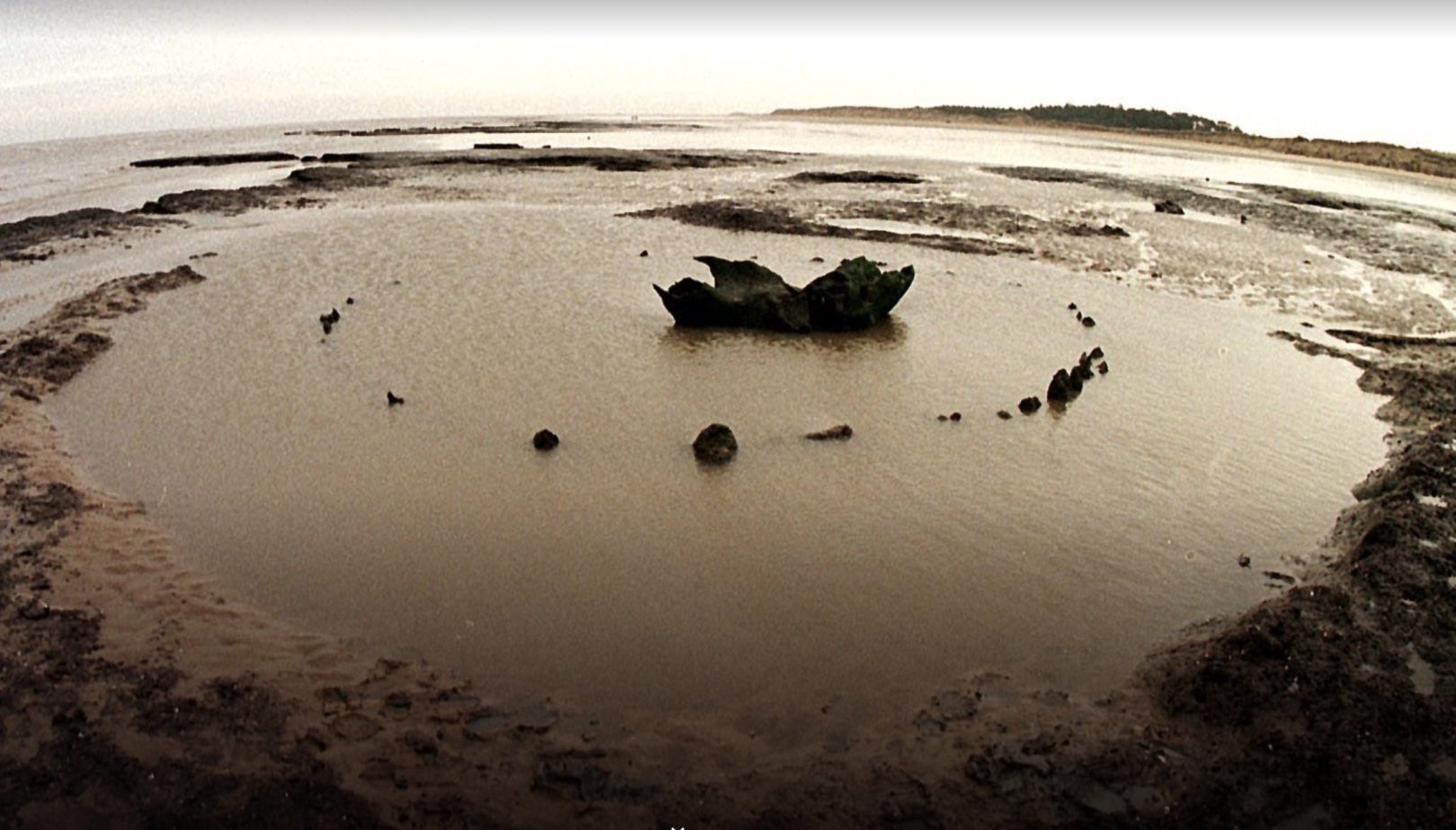
An exhibition viewing and discussion connecting ancient heritage with contemporary art. Starting at the ‘Seahenge’ exhibit at King’s Lynn museum at 2 pm, we will discuss its excavation and preservation with archaeologist David Robertson. Then we will walk over to GroundWork Gallery to meet artists George Nuku and Frances Kearney and look at their new works made in response to it.
An event for Norfolk & Norwich Festival, to accompany GroundWork Gallery’s Out of the Depths exhibition
Organised in collaboration with Norfolk Museum Service

Times and tickets
Saturday 16 May,
2-5pm, Lynn Museum and then GroundWork Gallery
Tickets £15, including refreshments
Book here via Norfolk & Norwich Festival
Out of the Depths: New Work
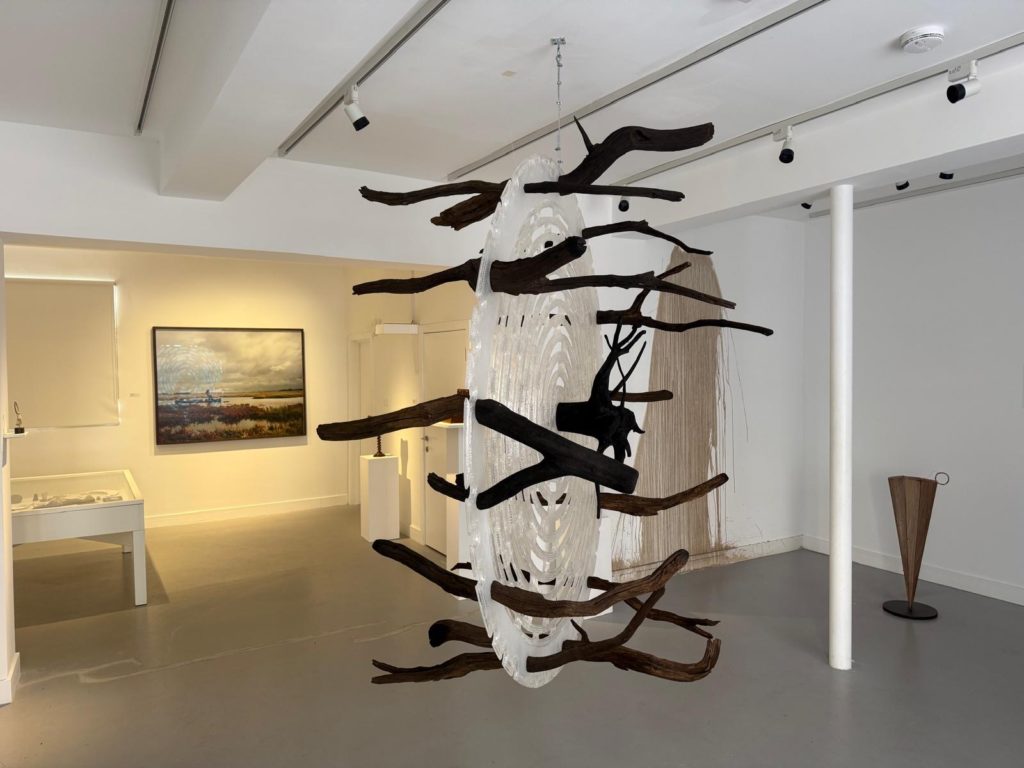
This event centres on an exhibition which connects ancient heritage with contemporary visions. It has been made by two distinguished artists, each thinking about beliefs and contrasts: deformity and beauty, past and present, heritage and trash. Plastic features here in several guises – as toxic waste and as a precious resource.
Maori artist George Nuku has made a ritual response to Seahenge, the remarkable bronze-age timber circle in King’s Lynn Museum. Aiming to reach for its spirituality across time and place, he used Plexiglass and wood as a precious materials to be treasured.
British artist Frances Kearney, known for choreographed photographs featuring young girls within enigmatic landscapes, shows a new body of sculptural and photographic works which transpose toxic plastics and shore flotsam from Norfolk beaches into objects, examining ideas of beauty, protection and belief.
The speakers
David Robertson
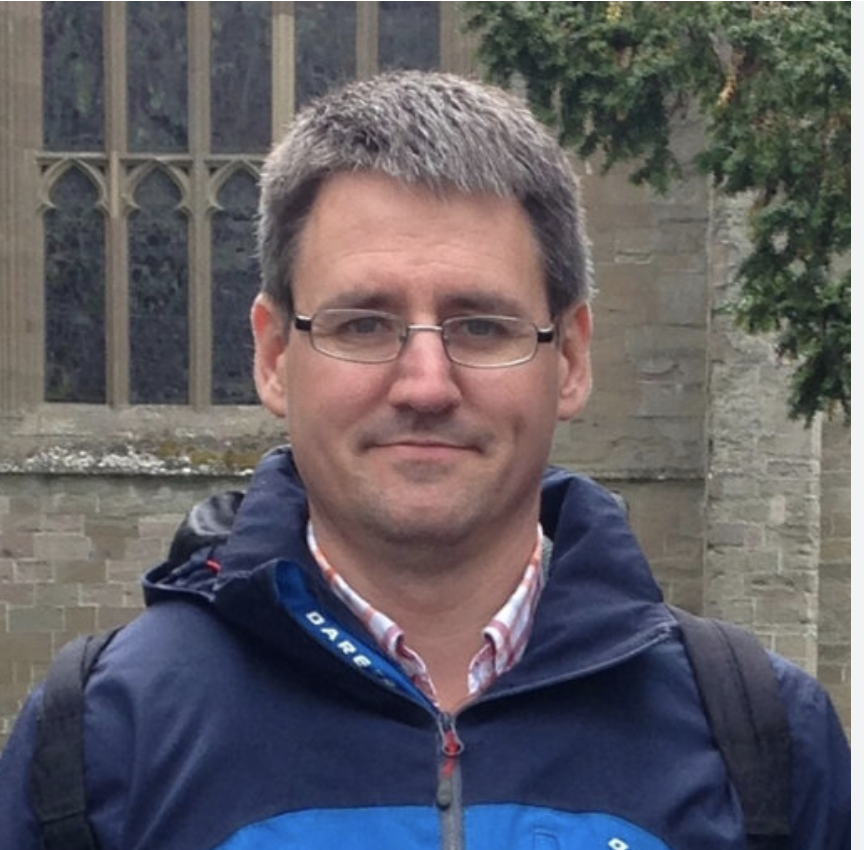
David Robertson is an archaeologist with over thirty years’ experience in commercial and curatorial archaeology and heritage management. Between 2006 and August 2018 he worked in Norfolk County Council’s historic environment planning team, providing archaeological advice to local planning authorities, developers, land managers and statutory organisations. Prior to this he worked for archaeological contractors across England and further afield and was a part-time tutor for the University of East Anglia and the WEA. He currently works for the Forestry Commission, runs his own heritage consultancy and gives talks to local heritage groups whenever possible. He has managed a broad range of projects, including the Norfolk Monuments Management Project, the scientific dating of the Holme II timber circle and the Norfolk Coastal Heritage Project, and the Forestry Commission’s national historic datasets project. David is a specialist in East Anglian archaeology, the interaction of forestry and heritage and the effects of environmental change, he has intimate knowledge of the site and the story of the excavation of Seahenge and its symbolic importance. Co-author of ‘A History of Norfolk in 100 Places’.
George Nuku
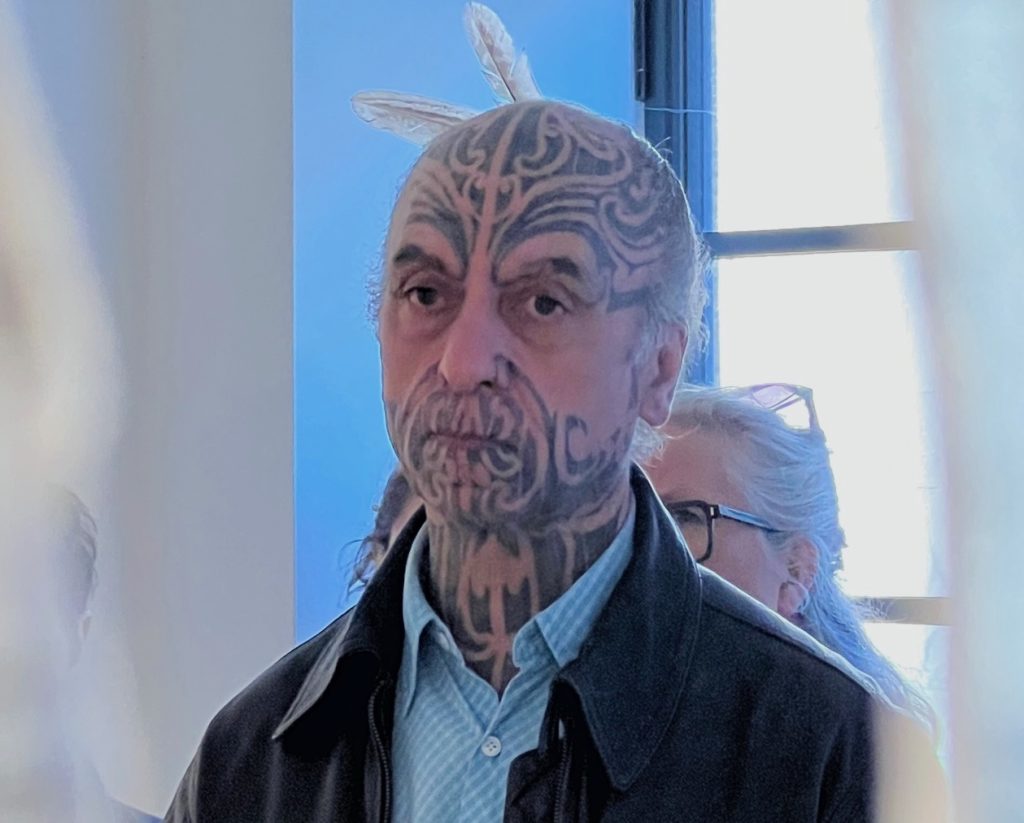
George Tamihana Nuku is one of New Zealand’s leading contemporary artists. As such, he is intensely aware of his responsibilities to his own culture, both to its spirit and meanings, as much to its craft traditions. However, within these parameters, he is known as an innovator. His materials are stone, bone, wood and shell, but above all he works with polystyrene and Plexiglass – as he has been heard to say ‘I speak fluent plastic’. As a Maori, George traces his descent ultimately back to the origin ancestors of his homeland but he counts both German and Scottish forerunners in his family. For him the past is ever-present, as he says ‘like it was yesterday’. The inter-relationships between the past and the future, between new and ancient artworks truly matter. It is this sensibility to heritage in the deepest sense, honouring collective ancestry, that has consistently drawn him to work in museums all over the world, to re-engage with Maori treasures which are now housed in their collections. In Leiden, Berlin, Barcelona, Edinburgh, Vienna, in London at the British Museum, he has made ambitious installations referencing the powerful stories of Maori histories.
George Nuku’s dramatic new work, created specially for the King’s Lynn context Seahenge Axis Mundi, draws upon this sensibility, but relating the deep heritage of the Wash to a wider global sphere of relevance in terms of its connections with an ancestry that connects us all. For George, who has such a strong spiritual connection with ancestors, to work with Seahenge feels like an arm reaching to the far distant past. “Its spirit derives from a place where it feels like it has been done before, long ago…..”
Frances Kearney
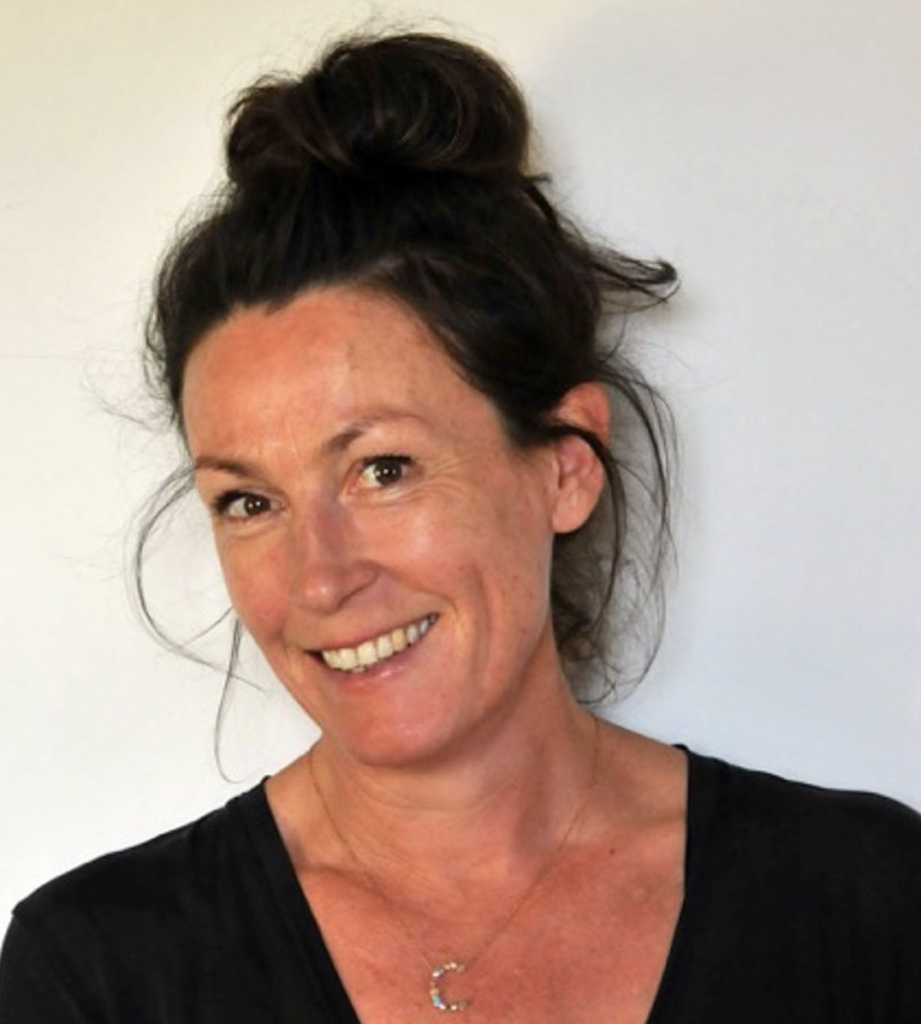
British Visual Artist Frances Kearney, an alumna of the Royal College of Art, has been known for over 25 years for her choreographed, photographic works staged within the landscape theatre of the North Norfolk coast. Always highly atmospheric and often unsettling, her photographs have explored and continue to explore how humans occupy nature – often from a female perspective. Her images examine and question the human’s need for personal truths and belief systems; for quietude and protection in order to navigate and respond to the speed and chaos of life in a modern society.
Kearney’s work is set within the former landscape of Doggerland, the site of man’s early settlement on the very edge of the East coast where she was born and raised. She finds solace in walking. Here on this edge, she immerses and occupies herself within the ever-changing landscapes of consciousness. She has done so for over 50 years.
Continuing her interest in ritual and landscape Kearney’s latest works combine photography and 3D objects using materials she has found from the underworld on this familiar shoreline by her home / studio in North Norfolk.
